A Beach-Lover's Guide to Oman: Muscat, the East Coast and Salalah
Posted on 2026-10-16
Category: Travel and Recreation
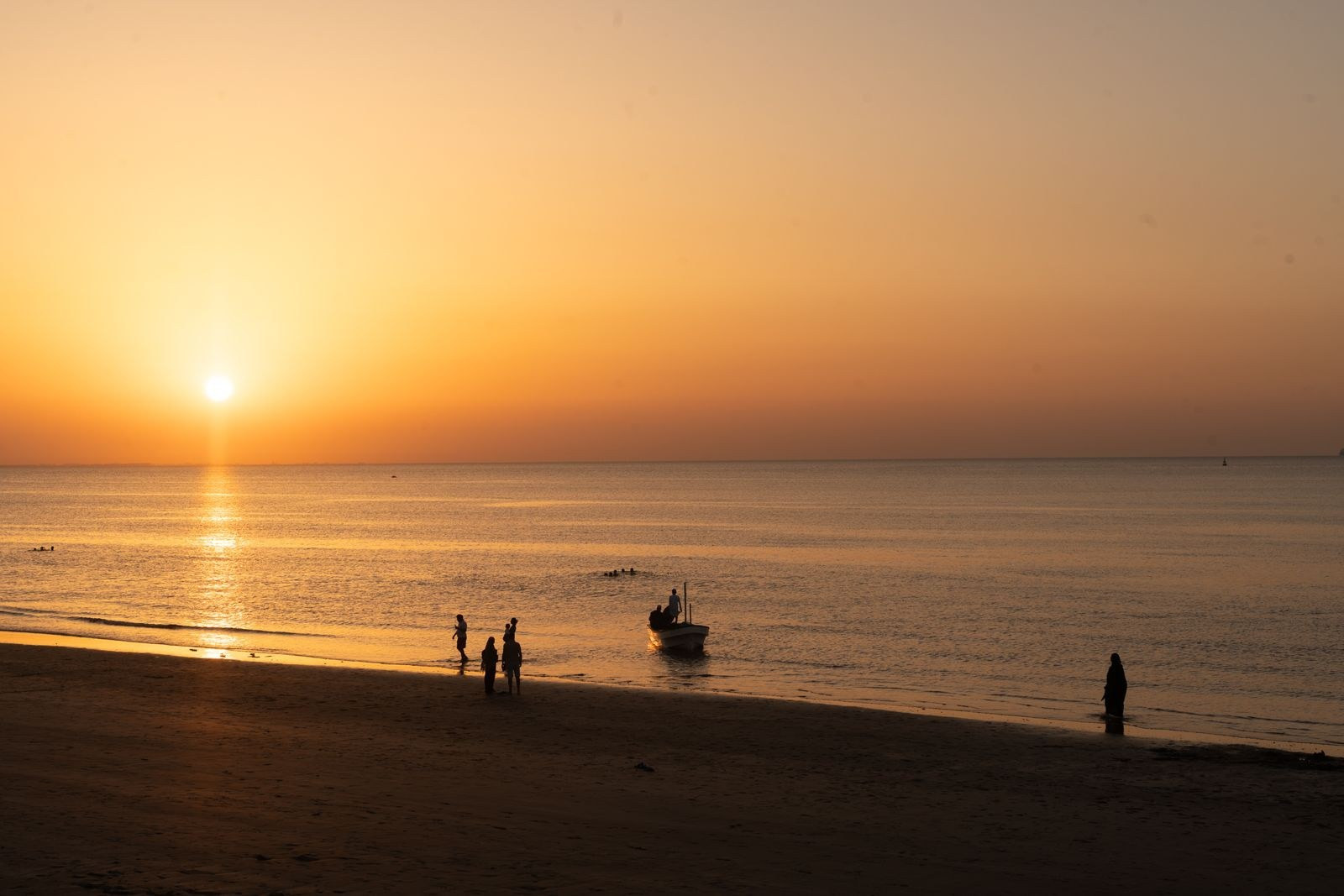
Oman is rarely the first country that comes to mind when people think of beach holidays, and that is part of its charm. The coastline is long, much of it is calm and uncrowded, and the beaches sit beside mountains and desert instead of rows of high-rise hotels. If sand and sea are the centre of your plans, here is how the main coastal areas differ for anyone planning an Oman vacation around the sea.
Muscat and its coast
The capital is the easiest place to combine city and sea. Cultural stops such as the Sultan Qaboos Grand Mosque and the Royal Opera House are close to the water, so a day can start with sightseeing and end with a swim. For anyone arriving after a long flight, a couple of nights here is a gentle way to begin.
Boat trips from the Muscat area reach the Daymaniyat Islands, where snorkelling is the main attraction. Many travellers say this is the point at which the trip stops feeling like sightseeing and starts feeling like a holiday.
Who it suits
Muscat suits those who like a base with restaurants, hotels in several categories and short transfers. It is the practical option if you want a few beach days without leaving behind the comforts of a city.
The east coast
South-east of the capital, the coastline becomes wilder. Wadi Shab and Wadi Tiwi offer freshwater swimming a short distance from the sea, which gives you two kinds of water in one day. Further along, Ras Al Jinz is known for turtle watching, and near Al Khaluf the Sugar Dunes and coastal tracks give a sense of space and remoteness.
This stretch appears in the longer GoTravelOman.com routes: the ten-day Oman Highlights includes Wadi Shab, and the eighteen-day Grand Oman journey adds the east coast, with turtle watching and the Sugar Dunes.
It is a place for people who prefer empty sand to beach clubs. Facilities are simpler, distances between stops are longer, and a private driver makes the logistics easier.
Salalah and the south
Salalah is the third coastal option, and it feels different again. The city has beaches, and the surrounding area is known for Wadi Darbat and the old frankincense route. Beach time here can be combined with inland excursions, so a stay of a few days works well for people who want variety. It appears on the fourteen-day north and south route and on the eighteen-day journey.
The south also follows its own seasonal pattern, with the khareef bringing monsoon conditions in summer. For a winter trip, check conditions with a specialist before fixing dates.
Planning the trip around the sand
If beaches are at the centre, three decisions shape everything:
- How much culture you want. A pure beach trip can be built around Muscat and Salalah. If you want the interior as well, add Nizwa and the desert.
- How remote you want to be. The east coast is quieter than Muscat and requires more driving.
- How long you have. A week allows one coastal region properly. Two weeks allow two.
What to expect on the beach
Beach habits in Oman reflect local customs. Swimwear is fine at resort beaches and in hotels, but cover up when you leave the sand and walk through towns, and be modest in public places. Check with your hotel or guide where swimming is normal and which spots are better avoided because of currents. Reef areas call for care, and sun protection is essential even when the air feels mild.
Think too about what you do when you are not in the water. Evening walks along the shore, a simple dinner by the sea and a book in the shade are all part of a beach trip. On the east coast, where services are simpler, bring what you need for the day, including water, sun protection and snacks.
Combining beach and desert
One of the pleasures of the country is that the same trip can include a night in the Wahiba Sands and a swim the next morning. A route built this way balances the quiet of the dunes with the relaxation of the coast. Alternating them keeps both fresh.
Hotels by the sea
Choice ranges from three to five star hotels to boutique stays. Boutique options on the coast can feel more personal, with a smaller number of rooms and a calmer atmosphere, while larger hotels offer more facilities. Think about whether you want to walk straight onto the sand or are happy to drive a short distance.
Season
Coastal travel is most pleasant from October to April, when the weather is warm and comfortable. Midday sun can still be strong, so shade and early swims matter.
In short
Oman gives beach lovers a choice between a city coast, a wild coast and a green southern one. Pick the mood that suits you, give each stop enough days and let the rest of the country be the background.